How to choose a cooler backpack effectively for your meals and hikes
Carrying your cooler backpack to keep your lunch or your cold drinks on a hike, a picnic or any outdoor outing is not something to improvise. This handy companion has become an essential ally for those who want to ensure the temperature retention of their food and drinks throughout the day. Thanks to advances in materials and designs, many models exist today, each offering different capacities and features suited to every need. But faced with this variety, how do you pick the ideal model for your use, and which essential criteria should you examine? In this article, discover the practical benefits of the cooler backpack, learn how to assess its capacity and benefit from tips to optimise its thermal insulation during your everyday adventures or out in the wild.
Why choose a cooler backpack rather than a conventional cool box?
The choice between a cooler backpack and a traditional cool box is often raised before an outdoor outing. At first glance, the rigid cool box seems suited to storing lots of food and food and drinks for several hours. Yet it lacks portability and quickly becomes cumbersome on trails, on a trek or when the transport is done on foot over long distances. That is where the cooler backpack shows its full worth.
See also backpack, for a similar use.
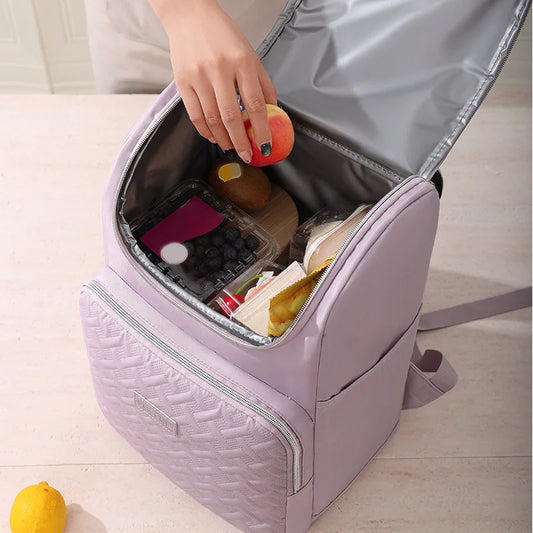
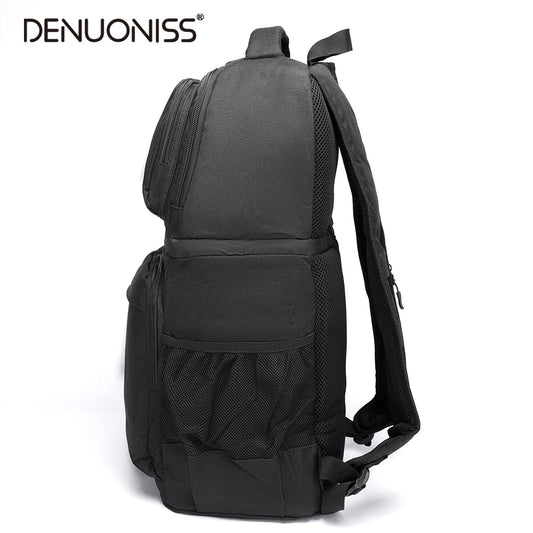
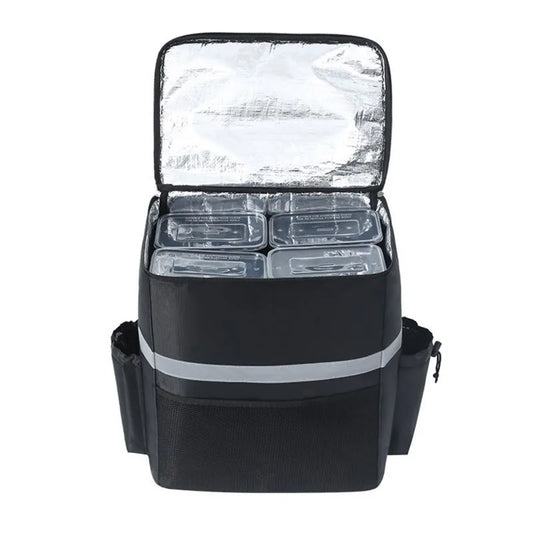
One of the major assets of the cooler backpack lies in its combination of lightness and practicality. It is carried easily thanks to ergonomic straps and a featherweight when empty, which clearly improves comfort when walking. The temperature retention is provided by a flexible insulating layer acting as a thermal barrier, ideal for keeping a packed lunch fresh or preserving the warmth of a home-cooked dish.
A similar need is covered by anti-theft backpack.
By choosing this type of bag, you store your food and drinks easily while enjoying quick access, without having to handle a heavy, bulky cool box. For everyone who enjoys active getaways, the portability remains a decisive criterion for fully enjoying activities without logistical constraints.
Related reading: watertight backpack.
Which capacity should you choose for a cooler backpack according to your needs?
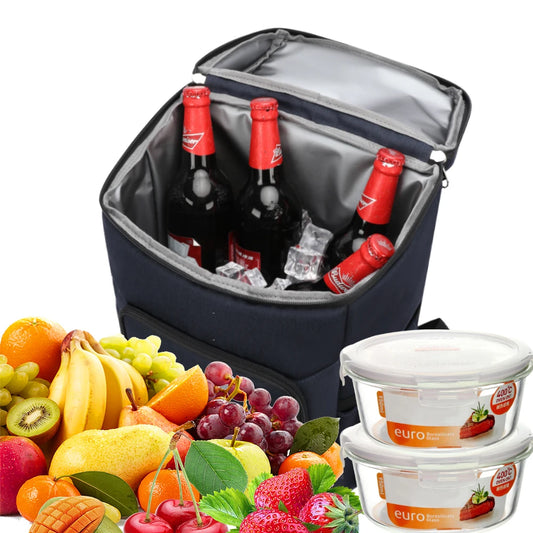
The choice of capacity, expressed in litres, determines the model of cooler backpack best suited to your use. Whether you are preparing a simple individual lunch, a family snack or a group picnic for a group, the size of the main compartment must match the quantity and format of the food and drinks to be carried.
In the same bag, backpack suitcase finds its place.
If you are travelling by plane, our cabin baggage backpacks bring together expandable models and laptop or shoe compartments, to compare with the dimensions of your ticket.
For daily use, a compact model of around 10 to 15 litres is generally enough to hold a lunch box, a small bottle and a few snacks. The intermediate sizes, from 20 to 25 litres, offer more versatility and suit day hikes or excursions needing several meals and extra water supplies. When you want to combine practicality with protection against bad weather, it may be worth turning to a Waterproof backpack.
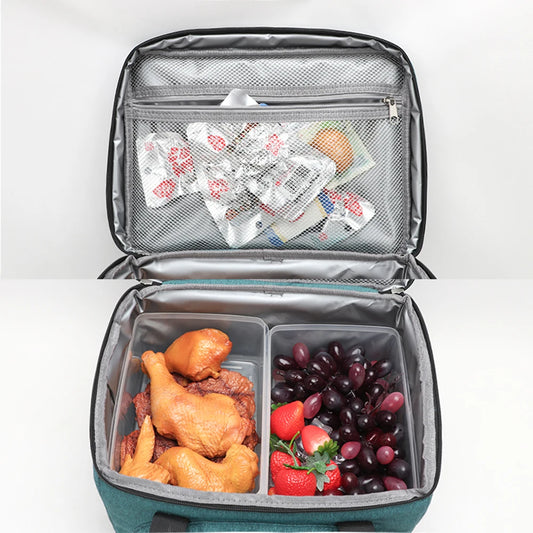
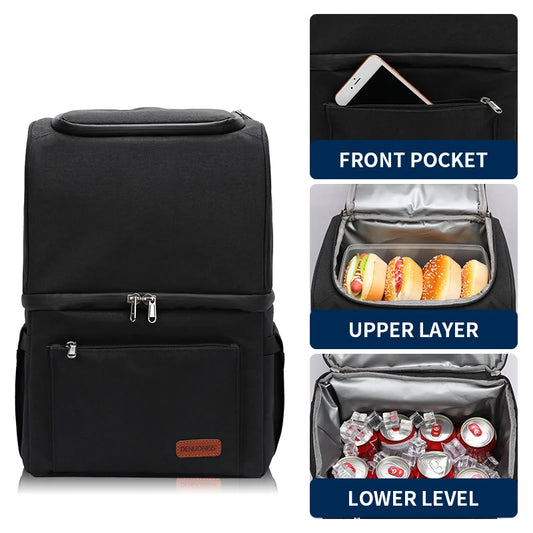
Some models also have separate pockets, ideal for slipping in ice packs to improve the temperature retention, or to add extra gear such as a flask, a bottle opener or reusable cutlery. This makes the cooler backpack truly multifunctional for all kinds of trek, bivouac or wild camping.
Back to the full range with women's backpacks.
With a baby, our backpacks for young parents also include an Oxford model with cooler compartments, alongside large-capacity versions.
How much importance should you give to thermal insulation and compartment organisation?
The effectiveness of a cooler backpack rests essentially on the quality of its thermal insulation. This performance depends mainly on the choice of materials used inside the bag. Good insulation strongly limits temperature exchange between the outside and the contents, which keeps the coolness or warmth of the food and drinks for several hours.
Look for thick linings made of high-density foam or reflective metallised sheets. This type of insulation guarantees optimal protection even during significant climate variations while hiking or trekking. Some bags combine several layers to extend the duration of the temperature retention, a crucial factor on long journeys or if you plan a bivouac.
Having several separate spaces in a cooler backpack greatly eases the organisation of your meals or lunch. You can separate hot and cold products, store fruit apart or avoid direct contact between bottles and fragile food. This optimises storage and simplifies breaks during your outings.
Small additional pockets hold useful accessories such as towels, cutlery or sanitising gels. Some specific slots are designed to take cold packs to boost keeping performance on very hot days or during strenuous physical activity on a trek.
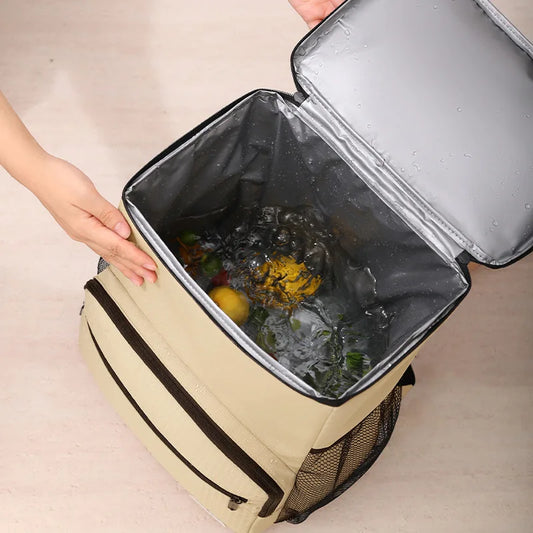
Good care of your cooler backpack considerably extends its life and ensures hygiene and food safety when carrying your meals. Favour models that are easy to clean, with waterproof or removable inner linings to remove food residue and odours effectively.
After each use, air the bag and regularly check the state of the zips and seams. Avoid overloading the outer pockets or the main structure beyond the stated capacity in litres; respecting the portability and the original design preserves the shape of the bag and guarantees the optimal performance of the cooler function.
In short, choosing your cooler backpack means assessing the capacity according to your needs, favouring excellent thermal insulation and organising your compartments intelligently. Good care will also ensure its durability. Discover our selection of cooler backpacks now to accompany all your hikes, picnics and outdoor outings.