Noise-cancelling headphones for flying: how can you enjoy optimal listening comfort in the air?
The flights lets you cover long distances quickly, but it often comes with constant ambient noise. Between the roar of the engines, the announcements and the passengers next to you, peace and quiet can seem out of reach without good hearing protection. The noise-cancelling headphones for aeroplanes then become an indispensable ally for improving the experience on board, whether for sleeping, working or simply enjoying a moment of calm. Knowing how to choose a suitable model, understand how it works and use it well can transform short flights and intercontinental crossings alike.
Why use noise-cancelling headphones when flying?
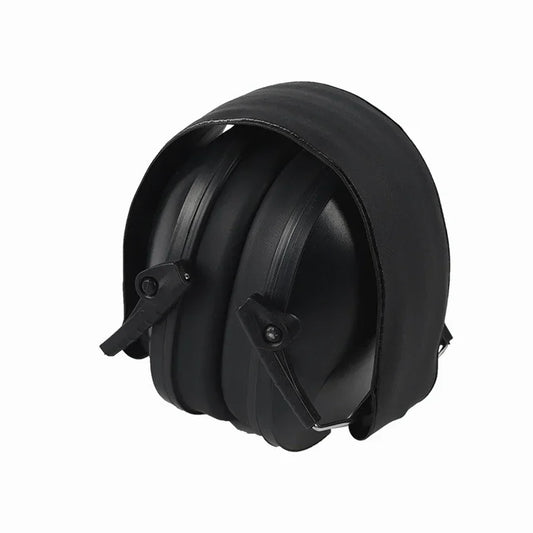
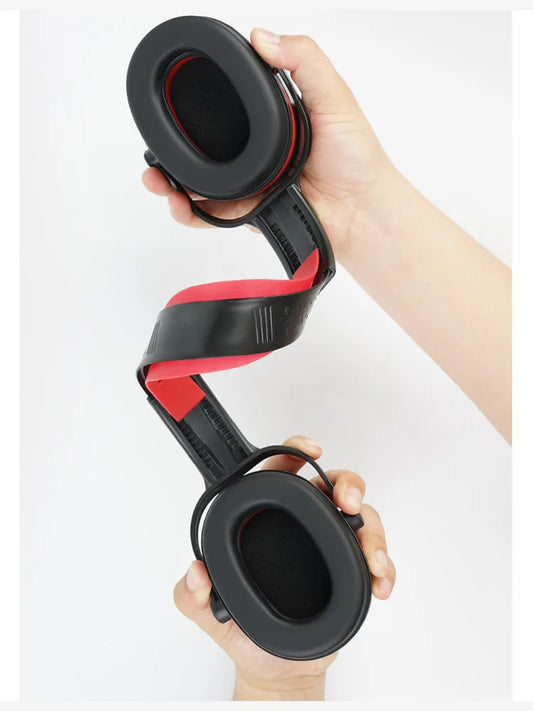
During a flight, the sound environment remains particularly harsh: noise levels frequently exceed 80 decibels, which tires the ear over long periods. A noise-reducing headset steps in by actively or passively filtering this nuisance. Thanks to modern technology, active noise cancellation (ANC) continuously neutralises the low-pitched sounds typical of an aircraft engine, bringing immediate relief. Passive reduction relies on thick ear cups that naturally dampen outside noise.
The rest of the models are in travel toiletry bag for flying.
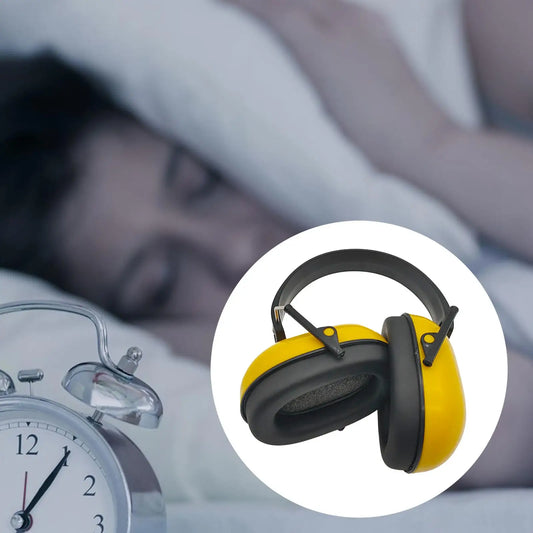
Beyond the simple gain in listening comfort, wearing noise-cancelling headphones during a flights also promotes concentration and restorative sleep. Whether you need to watch a film, read or shut yourself away, this accessory suits all ages. Children and even babies benefit from suitable hearing protection, making their flight less stressful. Many models also include a wired or Bluetooth connection, which makes them compatible with in-flight systems.
Cabin bag is also worth a look.
Which criteria should you compare to choose a high-performing headset for flying?
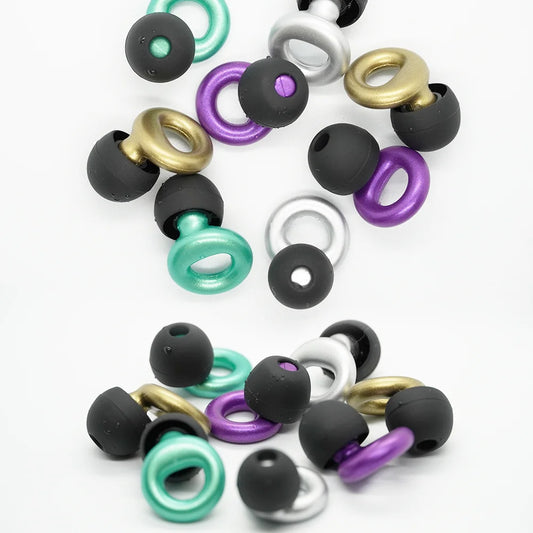
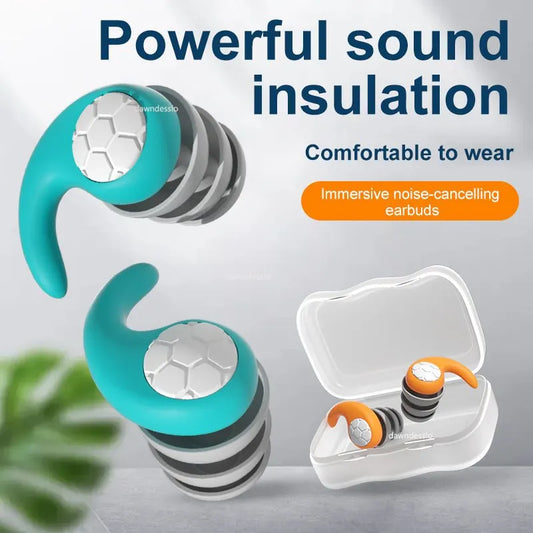
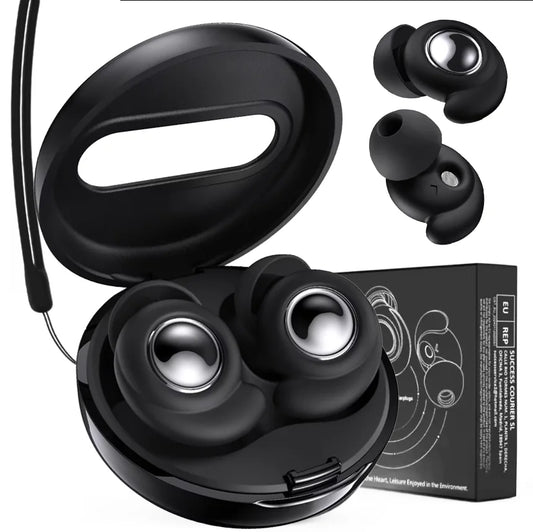
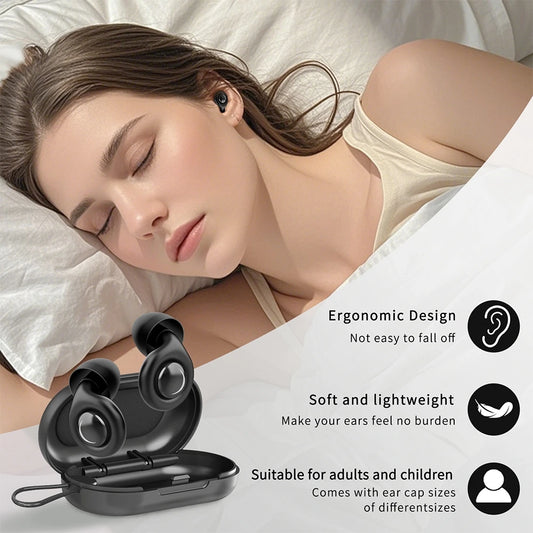
Choosing headphones for flying is not just about design. Several factors determine how effective they are and how satisfied you are over long use. The first thing to look at is the quality of the noise reduction. Headphones with active noise cancellation generally offer better isolation in the pressurised cabin. Some travellers alternate between noise-cancelling earbuds or from earplugs when wearing headphones is uncomfortable, for example while sleeping.
The whole range is gathered in power banks for flying.
Another essential criterion is comfort. On a long-haul journey, a padded headband and soft ear cushions avoid the unpleasant crushing sensation. Lightweight models are preferable to limit neck fatigue. Battery life is also appealing: a long-lasting battery guarantees several hours of peace, even during a long transit. Finally, look at portability; folding your headphones or fitting them in a hard case makes you better organised at departure and arrival. For even more convenience on your trips, it may be wise to also invest in a Aeroplane footrest.
One last point to check is the availability of aeroplane-specific adapters. Many airlines still use a dual jack for audio, so bring this accessory to make the most of your noise-reducing headset during the flight. Big brands such as Bose, Sony or Sennheiser often supply these adapters with their flagship models.
Travel pillow is often used with it.
How do you get the most from your noise-cancelling headphones on a plane?
Using your noise-cancelling headphones properly lets you unlock their full potential, especially given the variety of sound environments met on board. Setting up begins at boarding by choosing a comfortable position, preferably away from noise sources such as the rear engines. Switching on the active noise cancellation quickly creates a protective bubble that instantly dampens the hum of the cabin.
Sleep mask is often used with it.
It is advisable to personalise your settings for different moments of the journey. At take-off and landing, it is sometimes better to switch to passive mode or use earplugs if the pressure causes unpleasant sensations. Some prefer to complement the noise-reducing headset with noise-cancelling earbuds that sit in the ear, to switch between full isolation and attentive listening to important announcements. For parents, hearing protection for babies takes the form of small hypoallergenic headphones fitted to head size, counterbalancing changes in pressure and volume.
Regular care contributes to the durability of your equipment. After each use, carefully put your noise-cancelling headphones back in its case. Cleaning the ear cushions regularly with a soft cloth keeps them supple and limits the build-up of bacteria. Avoid prolonged contact with damp or dusty surfaces to preserve the quality of your noise-reducing headset.
Also remember to recharge the battery of your noise-cancelling headphones, especially if you travel often. Pack a suitable USB cable to guarantee enough battery life on every flight leg. If you share your equipment with other family members, disinfect the parts that touch the ears to maintain optimal listening comfort for everyone.
Backing a combination of solutions maximises peace of mind on board. Alternating noise-reducing headset, earplugs and noise-cancelling earbuds lets you adjust protection to each phase of the flight: meals, rest, crew announcements. Sensitive travellers sometimes use mobile apps synced with their headphones to add relaxing sounds, perfect for masking temporary pressure issues or snoring nearby.
Adjusting the headband and varying the position of the ear cushions improves acoustic performance and prevents discomfort. Taking a few minutes to explore the settings before take-off thus ensures an optimal sound experience all the way to your destination.
In summary, investing in a noise-cancelling headphones for aeroplanes and adopting good usage habits radically transforms the listening comfort in flight. Don't hesitate to explore our collection of noise-reducing headphones to travel with peace of mind, however long your journey.





 Sold out